Why we say NO to the agroparc
Essential Points:

There is an intention to apply the current territorial planning in a biased manner.
The establishment of the Agroparc requires an abusive interpretation of Article 1.14 of the Metropolitan Territorial Plan of Barcelona (PTMB), which allows for unplanned territorial interest actions. This interpretation opens the door to the transformation of the landscape and the productive system of the territory through the implementation of intensive agriculture and various facilities that require significant amounts of space, energy, and water.
This will end the consensus on the preservation of the economy, biodiversity, landscape, and identity that the PTMB provides to our territory.
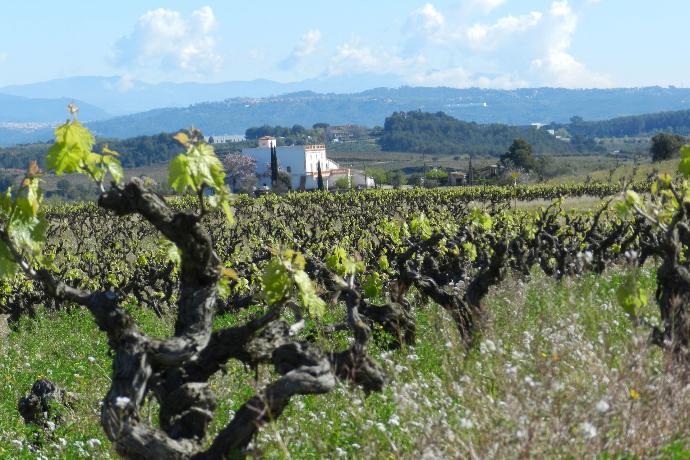
It will not produce either organic agriculture or agriculture that is coherent with its surroundings.
The crops of the Agroparc will confront biodynamic and organic farming lands, and small crops that integrate into the territory and form the traditional agriculture of our region. In fact, it should be noted that it is part of the objectives approved by the strategic plan of the DO Penedès, the commitment that from the 2025 harvest, 100% of the wine produced in this DO will be organic.
In this sense, although Ametller claims that it will produce in a 'sustainable' and 'respectful' manner with the environment, its foods do not have any certification that offers guarantees about the idea that is intended to be conveyed to consumers and citizens in general.
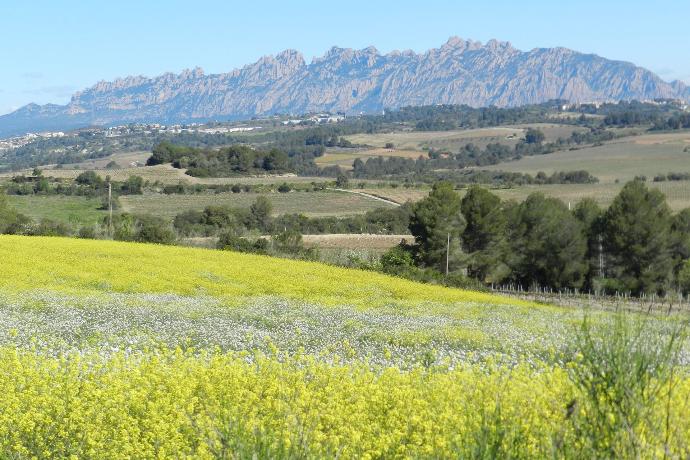
It breaks the ecological connector between protected natural spaces listed in the PEIN (Roques Blanques and Montserrat and the Ordal Mountains).
The area planned for the Agroparc, which borders the Anoia River, is located within the ecological connector defined by the territorial planning between the natural interest areas of Roques Blanques and Montserrat up to the Muntanyes de l’Ordal. Ecological connectors are established, according to regulations, “to maximise ecological permeability between areas of natural interest.” Since the Agroparc will involve an over-intensive use of the space, both at an agricultural and industrial and logistical level, it does not meet current biodiversity needs and is not coherent with territorial planning.
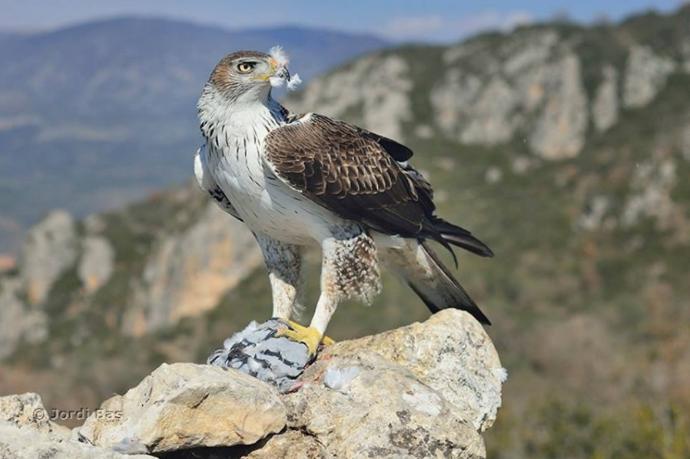
It does not respect the hunting area of the Bonelli's eagle and threatens the habitat of other species.
The Bonelli's eagle, a protected species that is threatened and in worrying decline, will be put at risk. The eagle finds in the delineated space, including the developable land of Can Joncoses, a preferred hunting area close to the breeding area identified in Gelida. Among the factors threatening the species are urban and infrastructure expansion and the abandonment of extensive agriculture (which lead to the loss of territory quality, reduction of prey, or excessive disturbances).
Likewise, the area planned for the Agroparc serves as habitat and/or a passage zone for at least around eighty other protected species, most of which have also experienced a serious decline in recent years due to various factors.
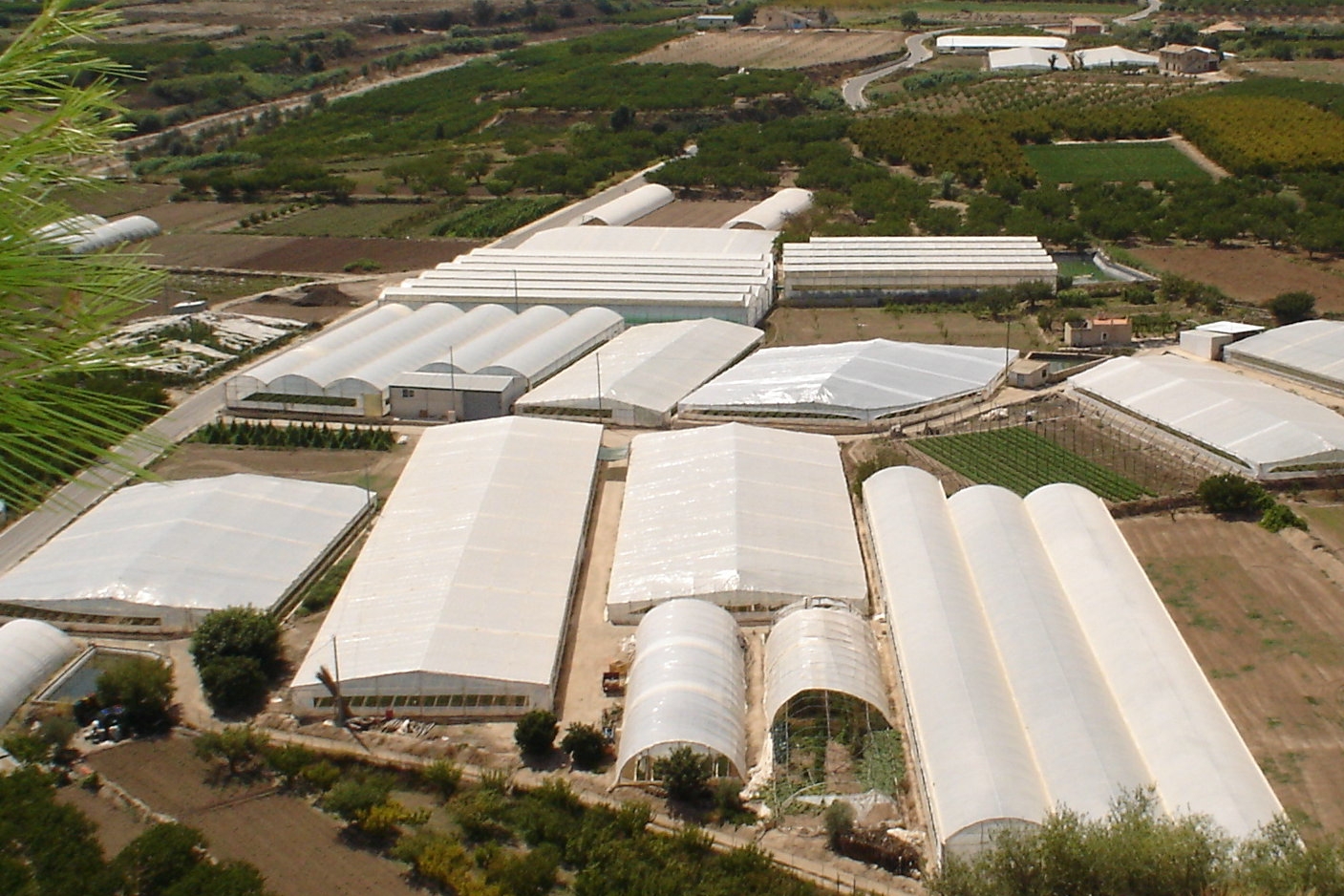
It establishes greenhouses and irrigated crops in a dry agricultural area.
Within the scope of the Agroparc, the construction of 21 hectares of 'technified greenhouses' on non-urbanisable land is proposed, claiming that they will have a digitalised system that will allow for greater efficiency in production. The reality, however, is that this system of intensive agricultural production will require more energy and a greater amount of water resources than traditional (and sustainable) dry farming - such as vineyards - in addition to the other negative consequences that this type of building may have for the natural environment where it is intended to be implemented.1].
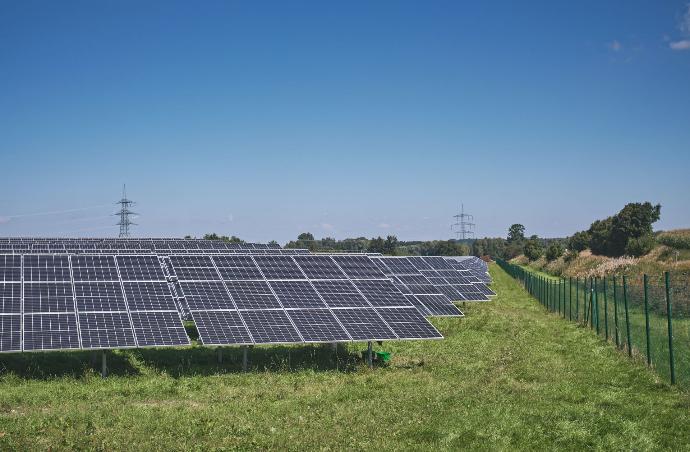
It installs 15 hectares of photovoltaic panels on agricultural land.
The installation of solar panels is presented as a revolutionary and harmless novelty, but both the extent and location of the panels make their implementation ecologically unfeasible. Furthermore, it is important to consider the opposition and social movement that has emerged in recent months against solar power plants on agricultural land.
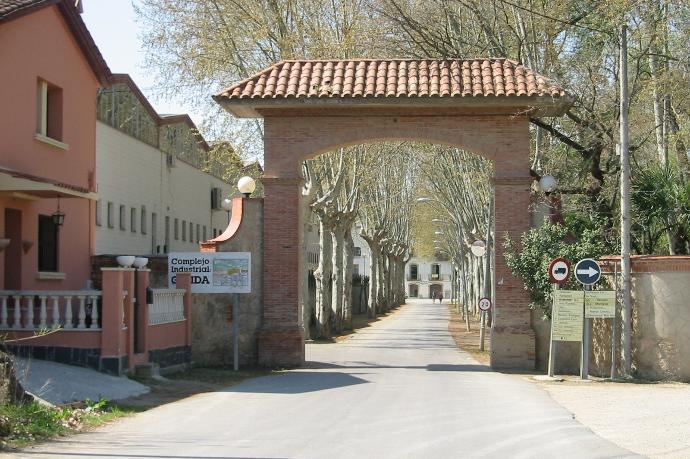
It does not optimise the existing industrial land and will create an unnecessary new industrial zone.
Tot i que el terreny de Can Joncoses es va requalificar d’agrícola a urbanitzable, mai ha deixat de ser un espai amb valor ecològic i, malgrat la idea que es pretén estendre, no és un sòl erm ni abandonat. Per la zona de Can Joncoses discorre el corredor ecològic del Torrent de Can Joncoses, i s’hi troben totes les espècies de fauna mencionades anteriorment. De fet, el grup municipal ara al capdavant del govern local de Gelida, l’any 2019 declarava en el seu programa electoral que la industria havia d’anar “als polígons ja existents i on tenim molt espai disponible, sense malmetre Can JoncosesThis position seems to have disappeared since the last elections won.
Regardless of the natural value of the area, we must ask ourselves: is it necessary to build more industrial warehouses when, in Gelida itself, we have warehouses built with a level of occupancy that is zero or insufficient? The answer is no. It makes no sense to build an industrial area when we have empty warehouses and unused industrial estates throughout the country and the entire region (in Penedès, we have over 200 hectares of built and unoccupied industrial estates).
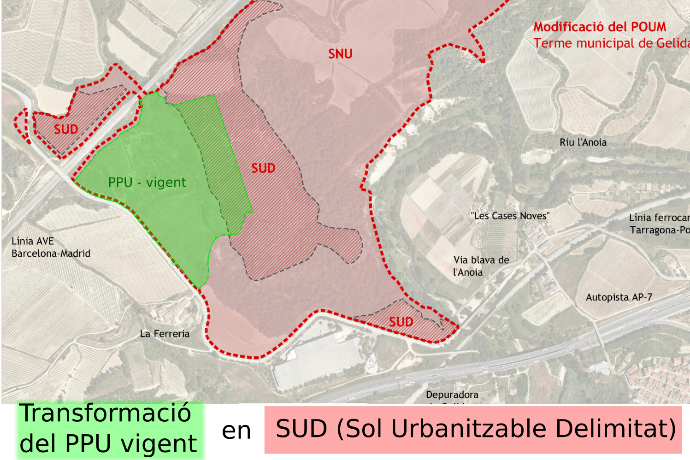
Industrial activity increases by 77% compared to the current POUM.
According to data from the Ametller project itself, currently, the activity land in the Can Juncoses area is 13.0 hectares; however, in their new Agroparc proposal, under the pretext of preserving special vineyard land and land of natural value (such as the ecological connector of the Can Juncoses stream), they increase this activity land by 77%, up to 23 hectares.2].
Thus moving from a compact industrial estate to three segregated activity areas that extend from the Claro spring to beyond the AVE bridge, which will necessarily need to be interconnected.
This represents a significant landscape and environmental impact.
Gelida is the gateway to the Alt Penedès, its agroforestry and winemaking mosaic constitutes an environmentally preserved border to the south of the metropolitan region. However, the establishment of an AgriTech landscape, linked to an industrial estate and managed as a theme park, blurs the limits of industrial activity that have so far been confined to the estates. By dispersing the inputs of matter, energy, and waste related to an industrial and tourist activity of this magnitude into the agricultural landscape, a decisive change in landscape management is introduced. The confluence of the Can Juncoses estate with the new facilities of the agricultural park linked to it will create the need for electrical, water, and internal communication networks, with associated consequences such as noise pollution, light pollution, and pollution produced by waste.
Thus, the face, identity, character, and agroecological relationships in a vulnerable, valuable, and finite territory are compromised.
It entails strong pressure of mobility and human activity on the territory.
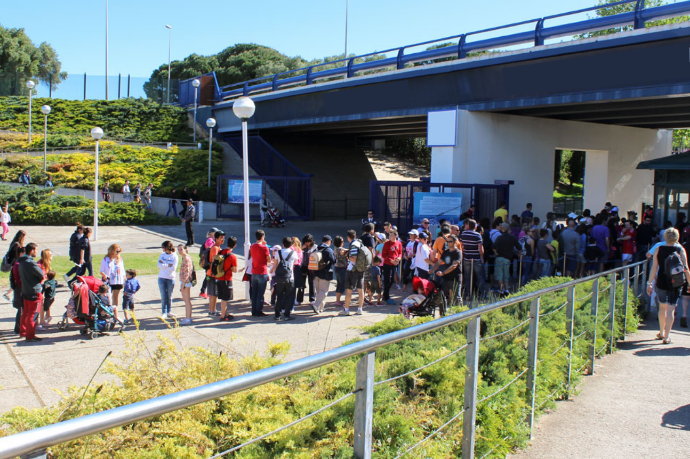
Regarding the mobility generated by the Agroparc project, it should be noted that, on the one hand, a flow of about 90,000 visitors per year (equivalent to 250 visitors per day) and 1,000 workers is expected, and on the other hand, the magnitude and scope of the project will entail motorised mobility of goods, both for raw materials and for packaging, processed products, and waste. The daily volume of heavy vehicles will undoubtedly be very considerable. The intensification of mobility in the area will create an environmental pressure that will be evidently negative and perceptible both directly and indirectly, with a single access road, the BV-2249, which cannot absorb such a significant flow of vehicles and which also passes through a populated area.
It is not a closed-loop system.
Although the Agroparc is promoted as a completely sustainable and closed-loop project, there are several factors that indicate this will not be a reality. It is necessary to contextualise and remember the scope of Ametller's activity. To produce everything proposed within the Agroparc, a huge amount of products from other places will need to be brought in, and, among other things, a much larger quantity of water will be required than the territory can support - let us also remember the implementation of irrigated crops on dry land. In this context of climate emergency, it is not coherent to develop and execute this type of methodology.
It aims to simulate a model of local production and trade and harms it.
In short, the Agroparc is developed on the business basis of a model of vertical integration of sustained growth, which is not sustainable, that distorts the value of proximity and cannot be sustained without externalities, despite being presented as a closed-loop activity and under the guise of zero-kilometre farming.
Notes:
[1] Project: “Advance of planning for the implementation of a PROJECT OF TERRITORIAL INTEREST. In the areas of CAN JONCOSES-LA TALAIA, CAN MATA D’ABELLÓ AND CAN FONT DE L’ALZINAR” (Date: 2021.09.20)
[2] Project: “MODIFICATION of the POUM of Gelida in the areas of CAN JONCOSES-AND ADJOINING ESTATES. Document for initial approval” (Date:2022.11.15)